Recognizing gum disease symptoms in your 40s and 50s can help you protect your gums and prevent further loss of tooth support.
If you notice recurring bleeding, receding gums, persistent bad breath, or shifting teeth, book a dental evaluation. Your gums deserve attention even when they feel comfortable.
Your age alone does not make gum deterioration inevitable. With early gum disease, called gingivitis, you have inflammation that is usually reversible with professional care and daily cleaning.
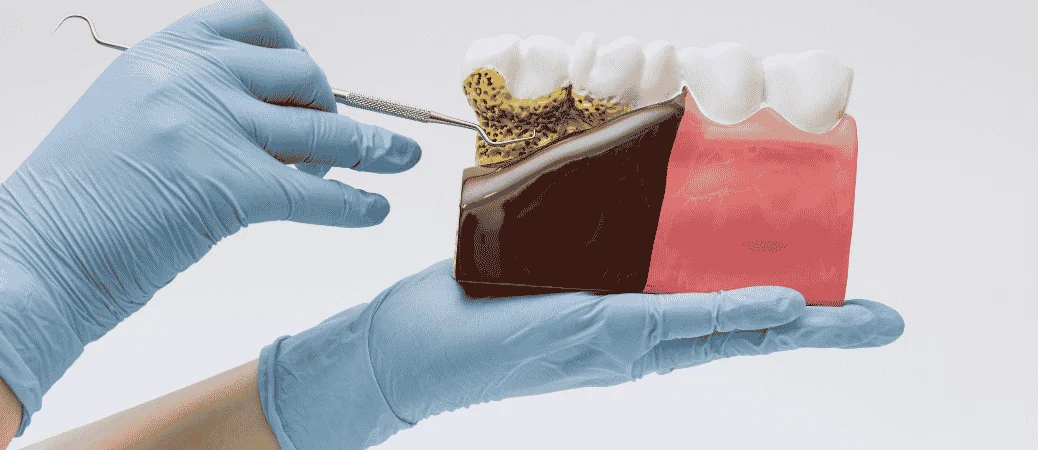
With periodontitis, you have damage to the tissues and bone that hold your teeth in place.
You cannot judge the stage of periodontal disease by looking in the mirror. A dental exam helps you find out what has changed and choose care that protects your gum health.
Which Gum Changes Should You Take Seriously?
You should take recurring bleeding, visible gum changes, and movement in your teeth seriously. These signs deserve an exam, though symptoms alone cannot tell you the cause or disease stage.
Bleeding, Swelling, and Tenderness During Daily Cleaning
If you repeatedly see blood on your toothbrush or floss, arrange a dental visit. Bleeding gums and tender gums suggest gum inflammation, especially when you also notice puffiness or a change from your usual gum color.
Pay attention to changes in your own mouth; healthy gum color varies naturally. Note whether your gum irritation affects one spot or several areas, and tell your dentist when it started.
Continue gentle cleaning while you wait for your appointment. Scrubbing harder adds irritation, and avoiding the area allows more plaque to collect.
Persistent Bad Breath and Gums That Pull Away
If your bad breath returns despite daily cleaning, mention it at your appointment. You should also report teeth that look longer or roots that have become sensitive.
Persistent bad breath and gums that pull away from your teeth are recognized warning signs of periodontal disease.
Your gum recession needs an exam because several problems cause it, including brushing pressure and periodontal disease. Receding gums alone do not establish that you have periodontitis.
Bring up any new gaps near the gumline where food gets caught. That detail helps your dentist focus the exam.
Loose or Separating Teeth and Changes in Your Bite
Contact your dental office promptly if you notice that your teeth are becoming loose or shifting apart. A new space between teeth, discomfort with chewing, or a change in how your teeth meet needs timely assessment.
You should also mention a partial denture that suddenly fits differently. Your dentist will check tooth support and other possible causes, including bite pressure.
Avoid repeatedly wiggling a loose tooth to test it. Until your appointment, choose foods you can chew comfortably and avoid biting hard foods with that tooth.
Why Can Gum Problems Become More Noticeable in Midlife?
In your 40s or 50s, gum problems may become noticeable after years of plaque exposure or changes in your health and medications.
Your risk reflects these factors and your individual susceptibility, so age alone does not explain a new symptom.
How Plaque and Tartar Contribute to Tissue Damage
You develop plaque, a sticky bacterial film, on your teeth every day. When you leave plaque buildup along the gumline, your gums become irritated and inflamed.
Plaque that hardens becomes tartar, also called calculus. You need professional instruments to remove this hard deposit; your toothbrush and floss remove soft plaque but cannot remove tartar.
Keeping plaque and tartar under control gives your gums a chance to heal. If you have missed dental visits, you can restart care without trying to scrape deposits off at home.
Gingivitis vs. Periodontitis: What Changes Below the Gumline?
With gingivitis, you have inflammation in your gums without the loss of attachment and bone that defines periodontitis.
You can reverse gingivitis with professional treatment and good home oral care before that supporting tissue is lost.
With periodontitis, you develop damage below the gumline. The attachment around your teeth breaks down, and pockets form where bacteria collect.
Bone loss reduces tooth support and, with advanced untreated disease, puts you at risk for tooth loss.
For patients who have already lost teeth, dental implants may provide an option for restoring chewing function once periodontal disease is under control and adequate bone support has been established.
How Smoking, Diabetes, Hormonal Changes, and Dry Mouth Affect Risk
Your dentist needs to know about tobacco use because smoking raises your risk of periodontitis and interferes with healing. Smoking also reduces visible bleeding, so you might have fewer obvious warning signs.
If you have diabetes, blood sugar management belongs in your gum care plan. Diabetes and gum disease can affect each other.
Poorly controlled blood sugar increases your risk of periodontal disease, while gum disease may make blood sugar management more difficult.
During perimenopause or menopause, hormonal changes may affect your gum response and mouth comfort. Report dry mouth as well, including when it began and any medication changes around that time.
When Should You Book a Periodontal Evaluation?
Book a periodontal evaluation when you notice recurring symptoms or a new change in tooth position or gum coverage.
Keep your regular dental checkups even when your gums feel fine, because you cannot see all changes below the gumline.
Persistent Symptoms vs. Signs That Need Urgent Dental Care
Call for an appointment if your gums repeatedly bleed or your bad breath persists despite daily care. You should also arrange an exam for new recession, even if you have no pain.
Ask for urgent dental care if you develop pus, painful swelling, or a newly loose tooth. Tell the office about fever or worsening pain when you call so your symptoms can be triaged.
Seek emergency medical care for trouble breathing or swallowing, or rapidly spreading facial or neck swelling. Those symptoms need immediate attention.
What Gum Measurements and X-Rays Can Reveal
During your exam, you will feel a small measuring tool move gently around each tooth. Your dental professional records pocket depths and checks for bleeding, recession, and loss of attachment.
Your measurements are interpreted together. Pockets 4 millimeters or deeper deserve closer attention because they provide space for plaque and bacteria, but a single reading does not establish your diagnosis.
Your X-rays show bone levels around your teeth. Comparing current findings with earlier records helps your dentist identify changes; a single image does not show how quickly disease is progressing.
Should You See a General Dentist or a Periodontist?
You can begin with your general dentist for an exam and initial treatment planning.
If you visit Santa Rosa Dental, describe your gum symptoms when booking your dental cleaning and exam so your concerns are clear before care begins.
For advanced bone loss, persistent deep pockets, or complex treatment needs, you may receive a referral to a periodontist. This specialist focuses on the supporting tissues around your teeth.
Bring your medication list and relevant medical history. Ask whether your visit includes a comprehensive periodontal evaluation to assess your gums, tooth support, and individual risk factors.
Your dentist can recommend how often this assessment should be repeated.
What Treatments Can Help Control Gum Disease?
Your periodontal treatment should match the findings from your exam, with the goal of controlling inflammation and preserving tooth support.
You will need a different approach for gingivitis than for periodontitis with deep pockets or bone loss.
Professional Cleaning for Gingivitis
If you have gingivitis, your dental cleaning removes plaque and tartar that irritate your gums. Your dental team also helps you adjust your home cleaning technique, especially around areas you have trouble reaching.
You should receive specific feedback about where inflammation remains. Ask your hygienist to show you how to clean those spots without pressing harder.
Your follow-up checks whether bleeding and swelling have settled. If inflammation continues, your dentist will reassess the cause and your cleaning needs.
Scaling and Root Planing for Periodontitis
If you have periodontitis, your dentist may recommend scaling and root planing, a deep cleaning procedure that removes plaque and tartar from below the gumline and smooths the root surfaces.
Your treatment may involve local anesthesia and separate visits for different areas of your mouth.
If dental anxiety makes treatment difficult, ask about sedation dentistry options that may help you feel more comfortable during your appointment.
You will need time to heal before your pockets are measured again. That reassessment shows which areas have responded and where further treatment is needed.
Through your periodontal care, you should receive clear instructions for cleaning during healing. Ask what discomfort to expect and which symptoms require a call.
When Pocket Reduction or Grafting May Be Recommended
If deep pockets remain after nonsurgical care, your periodontist may recommend pocket reduction surgery. This provides access to root surfaces and reshapes the area to make ongoing cleaning easier.
For selected bone defects, your treatment plan might include bone grafting or another regenerative procedure to rebuild support around your teeth.
Your expected result depends on the defect and your healing, and treatment does not guarantee full replacement of lost bone.
If tooth loss has affected your jawbone, bone grafting may also help restore the foundation needed for future tooth replacement.
Gum grafting addresses exposed roots or thin gum tissue in selected areas. You might hear it called tissue grafting or a soft tissue graft.
Ask which problem the procedure is intended to address and what result is realistic for your tooth.
How Can You Protect Your Gums Between Dental Visits?
You protect your gums through gentle daily plaque removal and follow-up care tailored to your risk. Your oral hygiene routine should reach the gumline and the spaces between your teeth without injuring the tissue.
Gentle Brushing and Daily Cleaning Between Teeth

Use a soft-bristled toothbrush with fluoride toothpaste. Brush for two minutes at least twice a day, using light pressure along your gumline.
Make daily cleaning between your teeth part of your oral care. Your hygienist can help you choose floss or correctly sized interdental brushes for the spaces in your mouth.
For flossing, curve the floss against each tooth and guide it gently beneath the gum edge. If your gums bleed repeatedly despite careful brushing and flossing, keep cleaning gently and arrange an exam.
Addressing Tobacco Use, Dry Mouth, and Blood Sugar
If you use tobacco, ask your dental or medical professional for help quitting. Tell your dental team about vaping as well so your care plan reflects your exposures.
For dry mouth, discuss your medications with the prescribing clinician and your dentist. Keep water available, and ask whether a saliva substitute or sugar-free gum suits your needs.
Continue prescribed medicines unless your clinician changes them.
If you have diabetes, share changes in your blood sugar control with your dental team. Include gum care in your broader preventive dental care plan.
Following an Individualized Periodontal Maintenance Schedule
After periodontal treatment, your maintenance visits focus on keeping treated areas stable. You need cleaning below the gumline where indicated and repeat measurements to track your response.
Your schedule should reflect your remaining pockets and risk factors. Some treatment plans call for visits every few months; your dental team should explain why that interval fits your condition.
At Santa Rosa Dental, ask how your maintenance visits will be coordinated with any specialist care. Before leaving, confirm your next appointment and which areas need extra attention at home.
Act on Gum Changes Before More Support Is Lost
You give yourself more treatment options when you arrange care for gum changes early. Recurring bleeding, persistent bad breath, and new recession deserve an exam even when you have no pain.
Protect your gum health by continuing gentle daily cleaning and booking a periodontal evaluation. When you call, describe any swelling or tooth movement so the office can choose an appropriate appointment time.
Frequently Asked Questions
Your next steps should follow your exam findings and the changes you have noticed. These answers help you set expectations before your appointment.
Is gum recession normal in your 40s or 50s?
Your gum recession deserves assessment at any age, including your 40s or 50s.
Your dentist will check for contributing factors such as brushing pressure, thin gum tissue, and periodontal disease before recommending care.
Can gum disease progress even if my gums do not hurt?
You can lose tooth support from gum disease without noticeable pain. Keep scheduled exams and report visible changes, even when eating and brushing feel comfortable.
Can gum disease be reversed after age 40?
You can reverse gingivitis after age 40 with professional treatment and effective home care.
If you have periodontitis, treatment aims to control the disease and preserve support; lost attachment and bone do not predictably return on their own.
Why do my gums bleed even though I brush every day?
You might have bleeding gums because plaque remains between your teeth or beneath the gum edge despite daily brushing.
Your dentist should also check for brushing injury and other contributors, including medications that increase bleeding.
How often should I have cleanings after periodontal treatment?
You need a cleaning schedule tailored to your response to periodontal treatment and your remaining risk.
Ask when your pockets will be rechecked and what findings would lead your dental team to shorten or lengthen the interval between visits.