If your dental crown or filling feels high when biting, consistently hits first, or causes discomfort when you chew, contact your dentist promptly for a bite check.
Mild sensitivity that steadily improves may be part of normal recovery, but you do not need to wait weeks for a restoration that feels too tall to settle.
After a dental crown or dental filling, you might notice a brief cold zing or tenderness around your gum. Those feelings differ from repeated pressure on one tooth every time you close.
If your crown feels too high or you have pain when biting down, describe that specific feeling when you call.
Is It Normal Sensitivity or a High Bite?
Your symptom pattern helps separate improving sensitivity from a possible high bite. A tooth that repeatedly touches before its neighbors needs an exam, even if your discomfort comes and goes.

What Does It Mean When One Tooth Hits First?
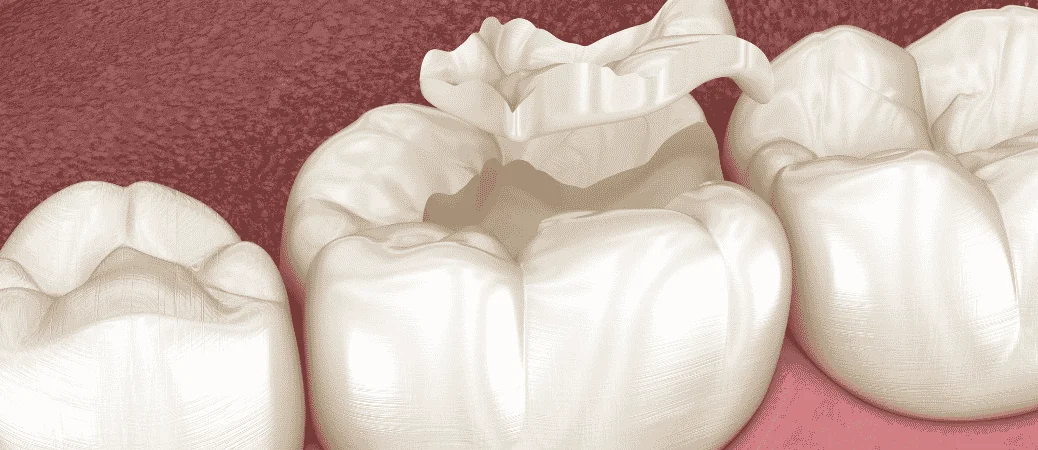
When one tooth hits first, your dentist calls that a premature contact. A high filling or high crown puts that tooth into contact before the rest of your teeth meet comfortably.
You might feel that your jaw has to shift to close, or that pressure when biting lands on one spot.
Repeated force irritates the tissues supporting your tooth, leaving it sore during chewing. Your dentist needs to confirm whether the dental restoration is causing that uneven bite.
Which Sensations Can Improve as the Tooth Recovers?
You might notice brief sensitivity after a filling, especially with cold drinks, along with mild gum tenderness. Watch whether these feelings become less intense and less frequent.
After a dental filling, deeper treatment sometimes leaves your tooth more sensitive during recovery.
Contact your dentist if sensitivity lingers after the cold stimulus is removed, aches worsen, or pain starts without an obvious trigger.
Why Can Your Bite Feel Different After Numbness Wears Off?
While you are numb, judging exactly how your teeth meet is harder. Holding your mouth open during treatment also leaves your jaw muscles tired.
Once normal feeling returns, you notice contacts that were less clear during the appointment. A small follow-up correction does not automatically mean your treatment failed.
Tell your dentist what changed after the anesthetic wore off, including whether the tooth feels tall during closing or catches during sideways movement.
When Should You Call Your Dentist?
Call promptly if you have sharp pain when biting, difficulty chewing, or a tooth that consistently hits first. You should also report worsening tooth pain after a filling, even when your bite seems even.
Biting Pain or Difficulty Chewing Warrants a Prompt Check
Contact your dental office when you recognize the problem. You do not need to keep chewing through pain to prove that something is wrong.
When you call Santa Rosa Dental, explain whether your pain happens as you close, while chewing, or as you release your bite.
Mention if your crown feels loose or if you notice a broken dental crown, since damage to the restoration may require a different approach than a simple bite adjustment.
What Else Can Cause Pain Besides a High Spot?
Your biting pain has several possible explanations. A cracked tooth, irritated tissue inside your tooth, a loose restoration, or inflammation around the root also needs consideration.
Your pressure-related toothache can come from tissues around the root. If you feel pain when releasing a bite, tell your dentist because that pattern raises concern for a crack.
An exam, targeted bite tests, and X-rays when appropriate help determine whether a bite adjustment addresses the cause of your pain after a filling.
If the examination reveals an infection or irreversible inflammation inside the tooth, root canal treatment may be needed to relieve discomfort and preserve the natural tooth.
Which Symptoms Need Urgent or Emergency Care?
Seek urgent dental care if you develop swelling, fever, drainage, or severe pain that keeps you from sleeping or eating. A broken or loose crown also deserves prompt advice, particularly if you cannot avoid biting on it.
When deciding whether your tooth pain needs an emergency dentist, pay attention to symptoms beyond the tooth itself.
Trouble breathing or swallowing, rapidly spreading facial or neck swelling, or swelling near your eye requires immediate emergency medical care. Call 911 for breathing difficulty.
How Does a Dentist Check and Adjust Your Bite?
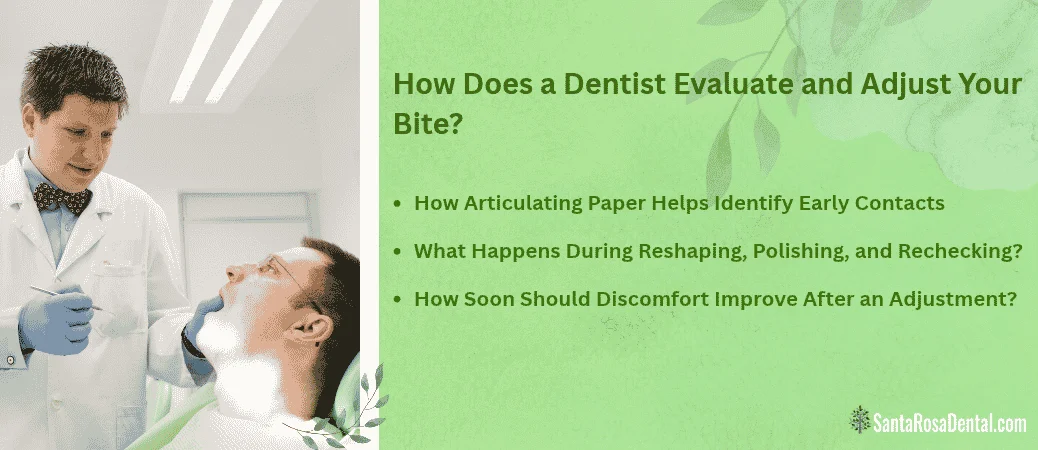
Your dentist checks where your teeth meet and adjusts a confirmed interference while preserving your restoration.
Your symptoms also guide the exam, especially when pain suggests something beyond bite alignment.
How Articulating Paper Helps Identify Early Contacts
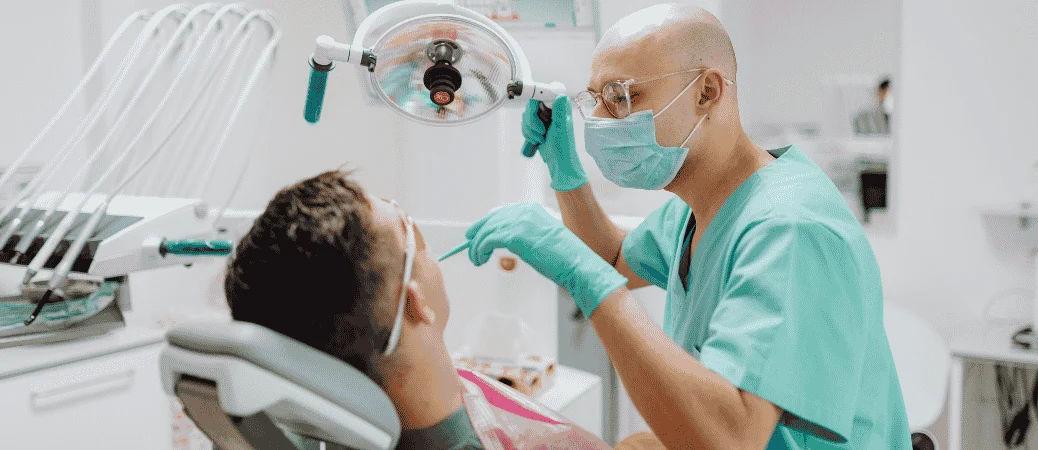
You will be asked to close on thin, colored articulating paper. Its marks show where your upper and lower teeth touch.
Your dentist also asks you to move your jaw sideways or forward to check contacts during movement. A large or dark mark alone does not measure the force on that tooth.
Your feedback and additional contact checks help identify which area needs attention.
What Happens During Reshaping, Polishing, and Rechecking?
If your dentist confirms a high spot, they use a fine dental instrument to remove a small amount of restoration material. You then close again so your dentist can compare the contacts and your comfort.
Your adjusted surface is polished using tools suited to its material. Careful polishing of your dental crown helps maintain a smooth chewing surface and supports a comfortable bite.
Tell your dentist if one spot still catches or if closing feels comfortable but sideways movement hurts.
How Soon Should Discomfort Improve After an Adjustment?
You might notice a more comfortable closure immediately after the interference is removed. Soreness from irritated supporting tissues takes longer to ease.
Follow your dentist’s instructions about chewing and watch for steady improvement over the next few days.
Contact the office again if pain worsens, the tooth still touches first, or improvement stalls. Lingering pain needs reassessment before more material is removed.
What Can You Do While Waiting for Your Appointment?
Protect your tooth by reducing chewing pressure and keeping your mouth clean while you wait. Follow any specific instructions your dental office gives you.
Choose Softer Foods and Avoid Repeatedly Testing the Tooth
Choose foods such as eggs, yogurt, pasta, or soft cooked vegetables, and chew on the comfortable side. Wait until numbness has worn off before eating so you avoid biting your cheek or tongue.
Avoid ice and other hard foods that can damage a crown or filling. Repeated tapping or biting to check the sore tooth adds pressure without helping you diagnose it.
Continue gentle brushing and cleaning between your teeth as directed to support your oral health.
Never File Down a Crown or Filling Yourself
Leave reshaping to your dentist. A nail file or other household tool risks crown damage, rough edges, and removal of too much material.
If you cannot reach your regular office and your pain is escalating, seek emergency dental care in Santa Rosa, CA. Ask for advice about safe pain relief while you wait. Pain medicine does not correct a premature contact.
Mention Clenching or Grinding During Your Bite Check
Tell your dentist if you wake with jaw soreness or notice daytime clenching and grinding. Teeth grinding adds load to an already tender tooth and affects how your dentist evaluates the symptoms.
At your Santa Rosa Dental appointment, mention any night guard you use and bring it for a fit check if requested. During the day, let your teeth rest apart when you are not chewing.
Avoid forcing a guard over a new restoration if it no longer fits comfortably.
A Tooth That Hits First Deserves a Bite Check
You deserve a prompt assessment when a new restoration hits first or makes chewing painful. Improving sensitivity is reassuring, while a suspected high bite needs a professional check to identify the cause.
A confirmed high spot calls for a careful bite adjustment, with time afterward for sore supporting tissues to recover.
Protect your oral health by calling your dentist, explaining what triggers the discomfort, and avoiding repeated testing until your visit.
Frequently Asked Questions
Your bite-check questions help your dentist plan a comfortable exam and explain the next steps. Bring up concerns about numbing or repeat treatment before any adjustment begins.
Will a high filling or crown wear down on its own?
You should have a high filling or high crown checked instead of relying on chewing to wear it down. Continued pressure risks more soreness or damage, and you cannot control where the material wears.
Does a bite adjustment hurt or require numbing?
You usually do not need numbing for a small adjustment limited to the restoration’s surface. Expect some vibration and water spray, and tell your dentist immediately if you feel pain so the approach can be changed.
Can a temporary crown need a bite adjustment?
Yes, your temporary crown may need a bite adjustment if it creates an early contact. Call your dentist if it feels tall or hurts during chewing, even when your permanent dental crown appointment is coming soon.
Follow your home care instructions for temporary crowns to protect the restoration until your appointment.
Will my crown need replacing if it feels too high?
Your crown often needs only a small correction when the problem is a localized high spot.
Whether you received a conventional crown or a same-day CEREC crown, replacement depends on its fit, condition, and how much reshaping would be needed.
What if my bite still feels wrong after an adjustment?
Return for an exam if your bite still feels wrong or your pain persists. Your dentist should reassess the contacts and check for other causes, including a crack or nerve irritation; further reshaping needs a clear finding.